MLB · Run environment

MLB park factors and weather
for betting research.

Courtside keeps park factors and weather close to the rest of the baseball answer, so run-environment assumptions are visible instead of implied.

What the numbers suggest
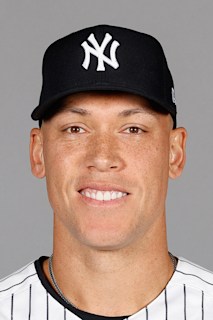
AaronJudge
Aaron Judge · Total bases·+110·projects 1.6 TB
vs Boston Red Sox·Wed, May 13, 7:05 PM EDT
VerdictLean Over+3.4% · lean
Implied
47.6%
de-vigged
Model
51.0%
med conf
EV / $100
+$7.10
expected return
Kelly suggests
$16 / $1k
per $1k bankroll
−5%0%5%10%
+3.4%slight
Not financial advice · probability estimates, not predictions · bet responsibly
Live in chatMLB bet verdict · live
Park context
Runs · HR · Hits · HardHit
Weather
Temp · wind · humidity · rain risk
Markets
Totals · props · sides · DFS stacks
Output
Cited memo + verdict card
Primary keyword
MLB park factors weather betting
Search intent
Understand how ballpark, weather, wind, and run environment affect MLB totals, props, and DFS stacks.
Updated
May 30, 2026
How it works4 steps

From question to inspectable answer.

  1. I
    Step 1
    Set the venue

    Name the game or just the park.

    Courtside resolves the venue to a three-year rolling park factor profile: runs, home runs, hits, doubles, triples, walks, hard contact, and more.

    Example

    Show park factors at Coors and Wrigley side by side.

  2. II
    Step 2
    Pull the weather

    Temperature, wind direction, and rain risk.

    Game-time weather is included where available. Wind out at Wrigley vs in at Wrigley is a different game; Courtside makes the direction explicit.

    Example

    What is the first-pitch weather and wind direction at Wrigley tonight?

  3. III
    Step 3
    Apply to a market

    Pressure-test the total, a HR prop, or a DFS stack.

    Run environment is integrated into verdict math for totals, home runs, total bases, and game-outcome markets, with every input cited.

    Example

    Does the wind at Wrigley change the total enough to matter?

  4. IV
    Step 4
    Build the slate read

    Rank tonight's games by hitting environment.

    Slate-level views combine park + weather + bullpen + contact quality so the same answer feeds both a betting and a DFS workflow.

    Example

    Rank tonight's slate by hitting environment, including park, wind, temperature, and bullpen.

What it doesCapabilities

Three layers, one conversation.

01 / Run environment

Baseball projections need the stadium and sky.

A hitter projection or game total changes when the park boosts power, suppresses run scoring, or weather pushes the ball in a meaningful direction.

  • I

    Park factors help separate venue effects from team talent.

  • II

    Wind direction and temperature can change home run and run-scoring assumptions.

  • III

    Rain risk can affect starter depth, bullpen exposure, and DFS risk.

02 / Betting context

Totals and props are cleaner when environment is explicit.

Courtside can fold run environment into MLB over-under, player prop, and game-outcome analysis so the reasoning is not just pitcher versus lineup.

  • I

    Compare full-game total logic against first-five assumptions.

  • II

    Use weather and park factors to pressure-test home run or total bases props.

  • III

    Pair environment with bullpen fatigue and hitter contact quality.

03 / DFS context

Stacks need ceiling, but also context for why the ceiling exists.

For DFS, park and weather context can support stacking choices, identify fragile chalk, or justify a lower-owned hitting environment.

  • I

    Ask for the best run environments on a slate.

  • II

    Compare high-total games against salary and ownership assumptions.

  • III

    Use weather risk to avoid or embrace volatility depending on contest type.

GlossaryTerms used throughout this page

A short dictionary for MLB park factors weather betting.

01
Park factor
A multiplier that compares a stat at a venue versus league average. Above 100 boosts the stat; below 100 suppresses it.
02
Wind out / wind in
Wind direction relative to home plate. Out boosts fly-ball carry and home runs; in deadens both.
03
Run environment
The composite expected run-scoring rate from park, weather, bullpen state, and lineup talent.
Common questionsAnswered

Frequently asked, cleanly answered.

Q1.

Can Courtside include park factors in MLB betting analysis?

Yes. Courtside can account for park context when analyzing totals, props, DFS stacks, and game outcomes.

Q2.

Does weather matter for MLB totals?

It can. Temperature, wind, humidity, and rain risk can affect scoring assumptions, but they should be weighed with pitcher, lineup, and bullpen context.

Q3.

Can I ask for slate-level weather rankings?

Yes. You can ask Courtside to compare games by hitting weather, run environment, or DFS stack quality.

Q4.

How are park factors calculated?

Park factors use a multi-year rolling sample to reduce noise and compare a stat at a venue to the league average. Courtside reports per-stat factors so you can see whether a venue boosts runs, home runs, or hits specifically.

Stop dashboard-hopping.
Ask a question.

Join the Discord for pick notes, slate questions, product drops, and smarter NBA and MLB conversation.